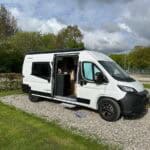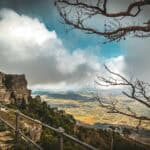
If you’re taking your very first camper trip, you might not want to start with a country full of mountains, narrow roads, or other driving challenges.
That’s exactly why we – complete camper beginners – chose Denmark.
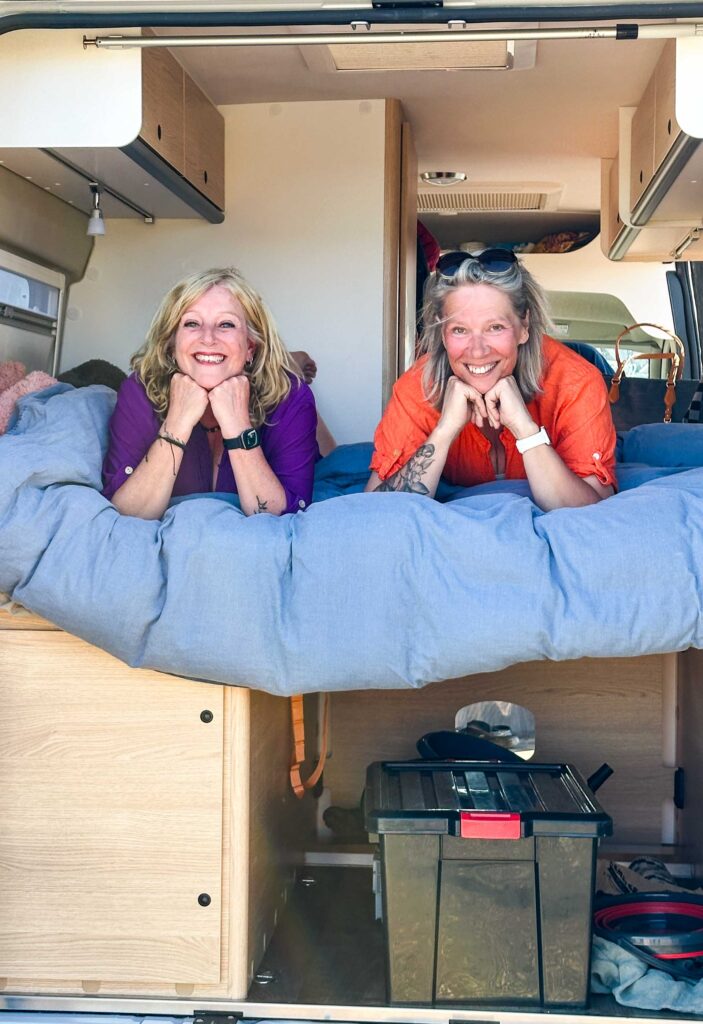
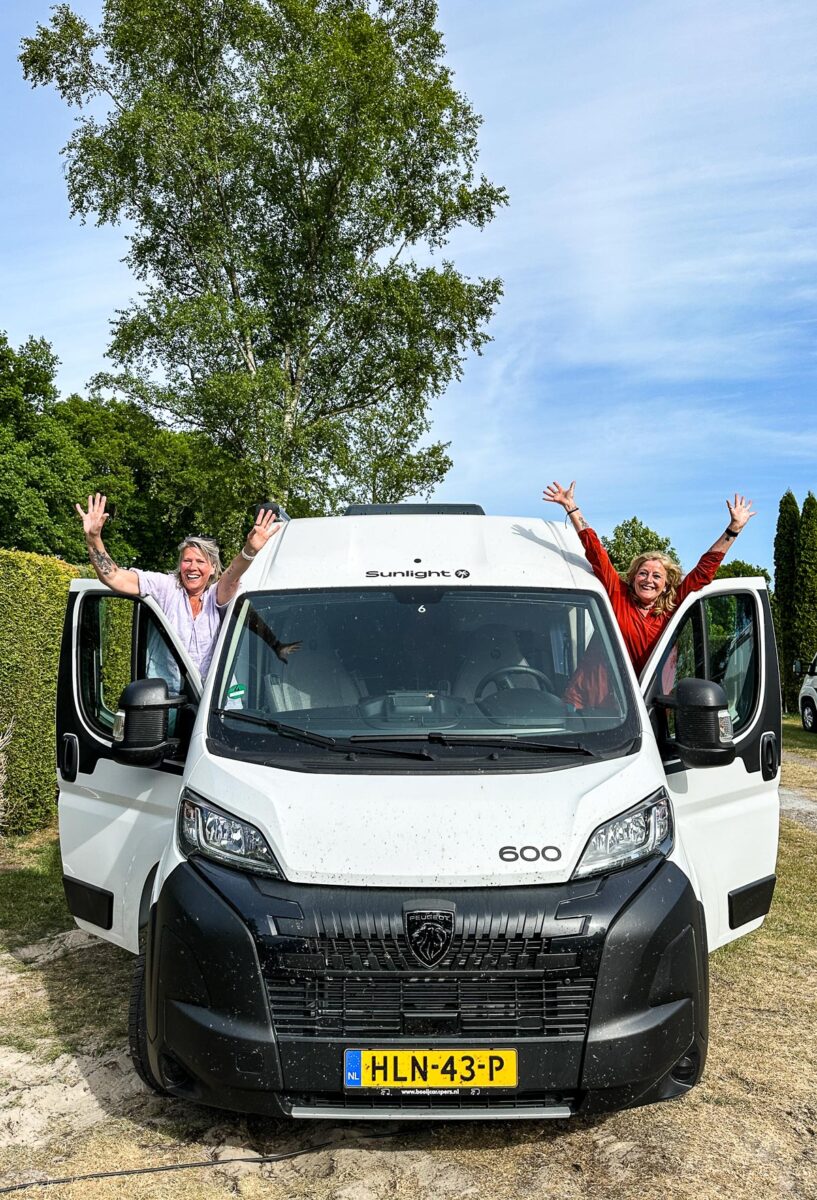
So, how did we like traveling by camper? You’ll find out in this article about our first camper experience. One thing’s for sure: we absolutely loved Denmark.
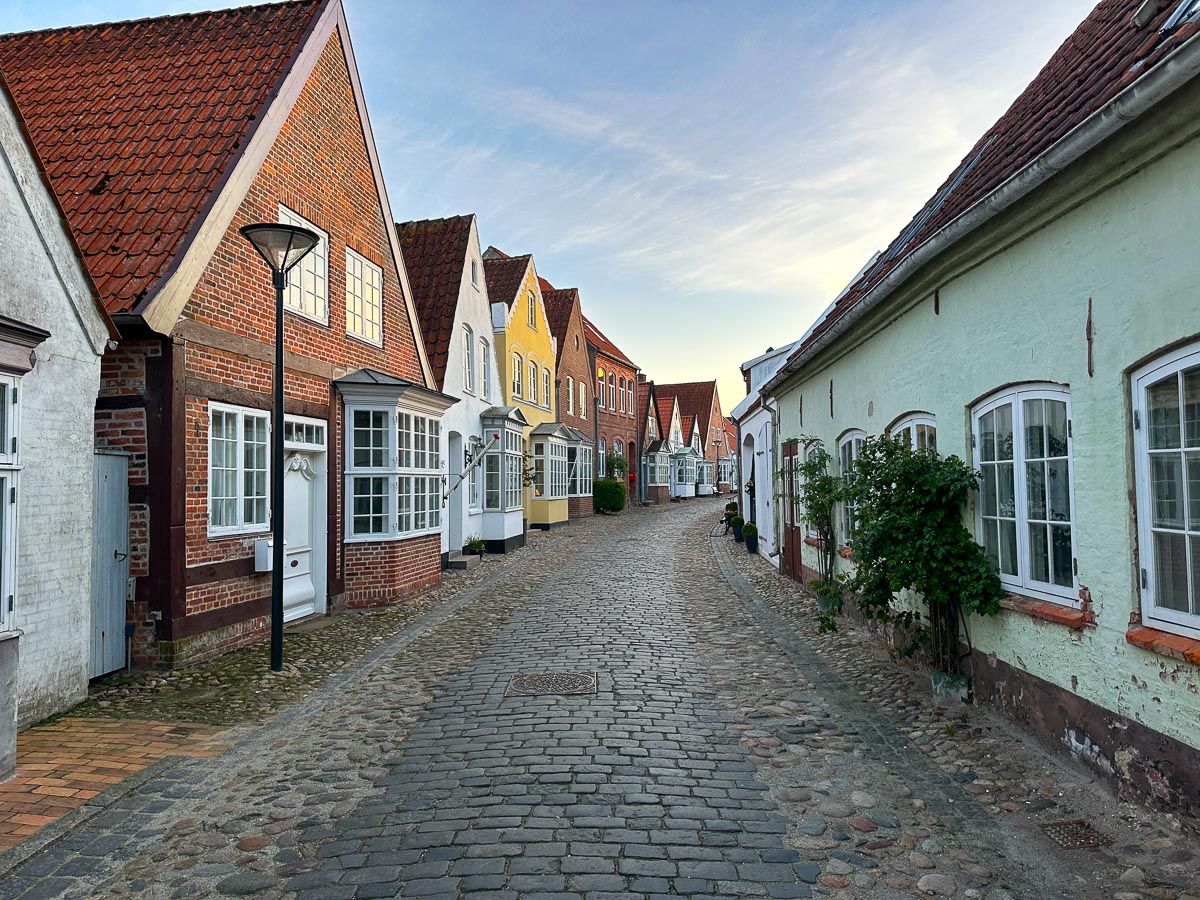
Table of contents
- Camper Roadtrip Denmark
- First Stop: Tønder
- Christiansfeld: The Gingerbread Town
- Vejle: Where Nature Meets the City
- By the Sea in Aarhus
- Silkeborg: Lakes and Forests
- Kerteminde: Sleeping by the Harbor
- Odense: A Fairytale City
- Faaborg and Fredericia
- Arosund: Back at the Harbor
- Back to Germany
- Practical Tips for Traveling Denmark by Camper
- FAQ: Driving a Camper Through Denmark
Camper Roadtrip Denmark
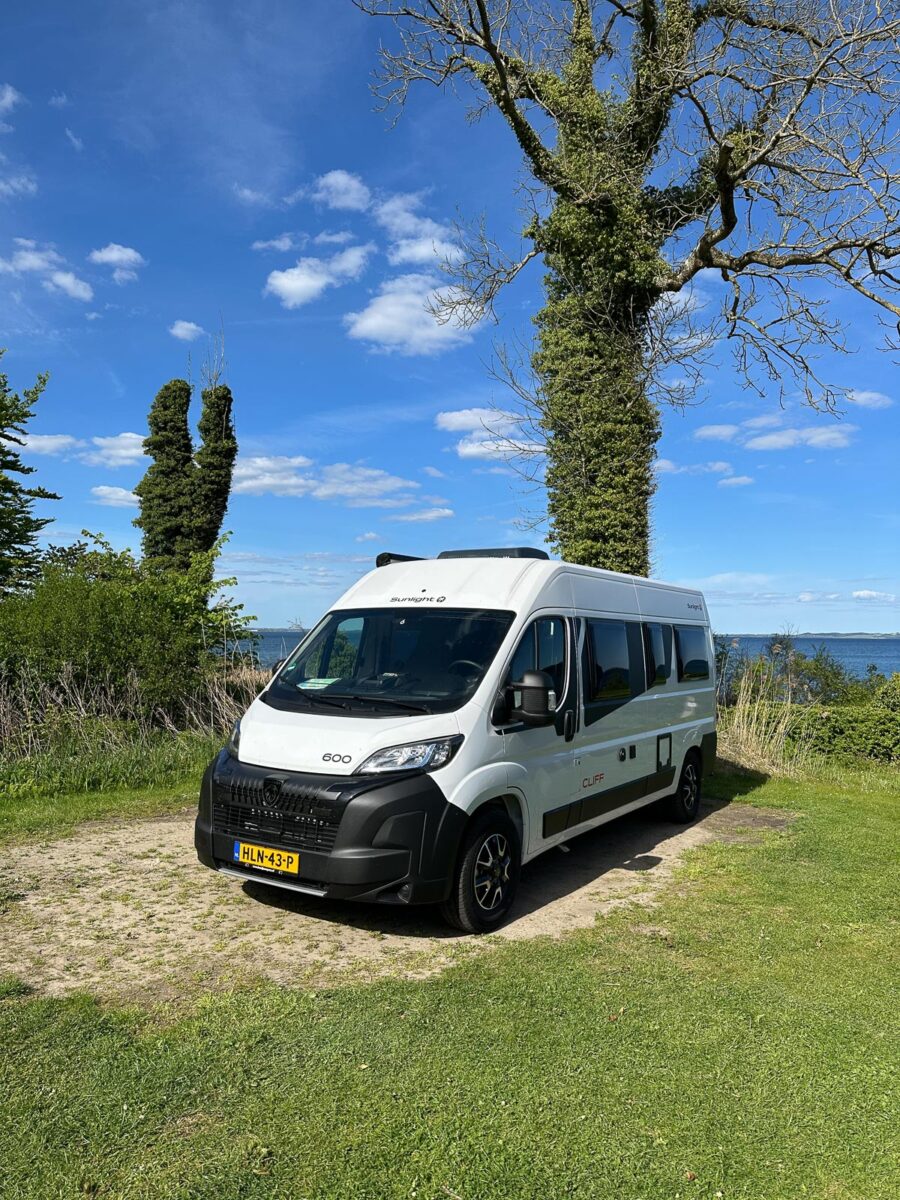
If this is your first time traveling by camper, Denmark is an excellent place to start. There are no towering mountains or nerve-racking mountain passes – just easy, relaxed driving.
Bridge and overpass clearances are clearly marked, which was a huge relief because that was something I worried about before the trip.
Denmark is also incredibly camper-friendly. Campgrounds and camper stops are everywhere, and you’ll quickly notice that this country loves camper travelers. We felt welcome from the moment we arrived.
For finding campgrounds and camper stops, we mostly used the Campercontact app. We found the information to be accurate almost every time.
First Stop: Tønder
Our trip started in the charming town of Tønder, just across the German border. It’s a lovely little town that’s perfect for wandering around.
We followed a walking route around town. It’s an easy walk, although we naturally managed to get a little lost along the way. But honestly, getting lost in Tønder isn’t a bad thing at all.
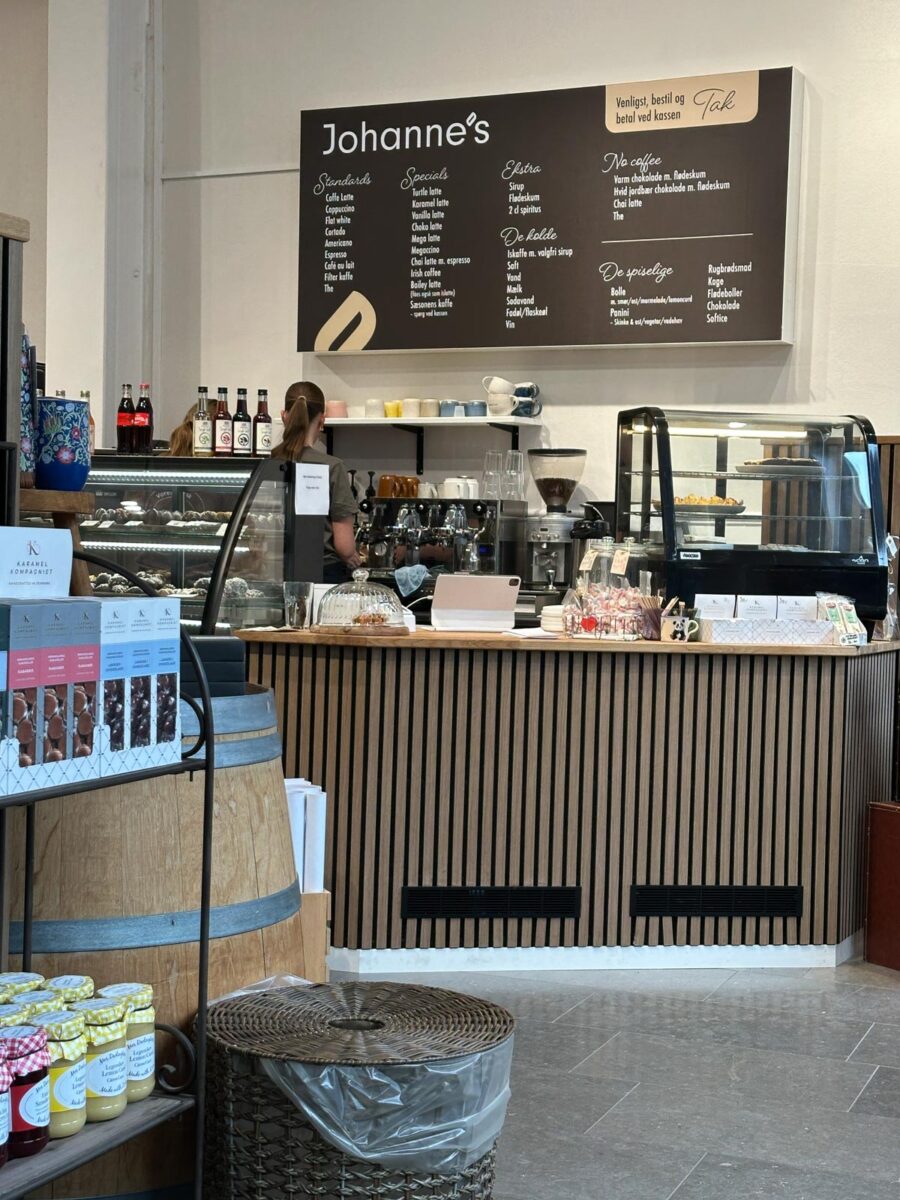
One of our favorite discoveries was Johanne’s, where they sell several varieties of choco kisses. Think chocolate-covered marshmallow treats – but taken to the next level. Try one, and you’ll understand the hype. They also serve a great lunch if you’re looking for something more substantial.

Christiansfeld: The Gingerbread Town
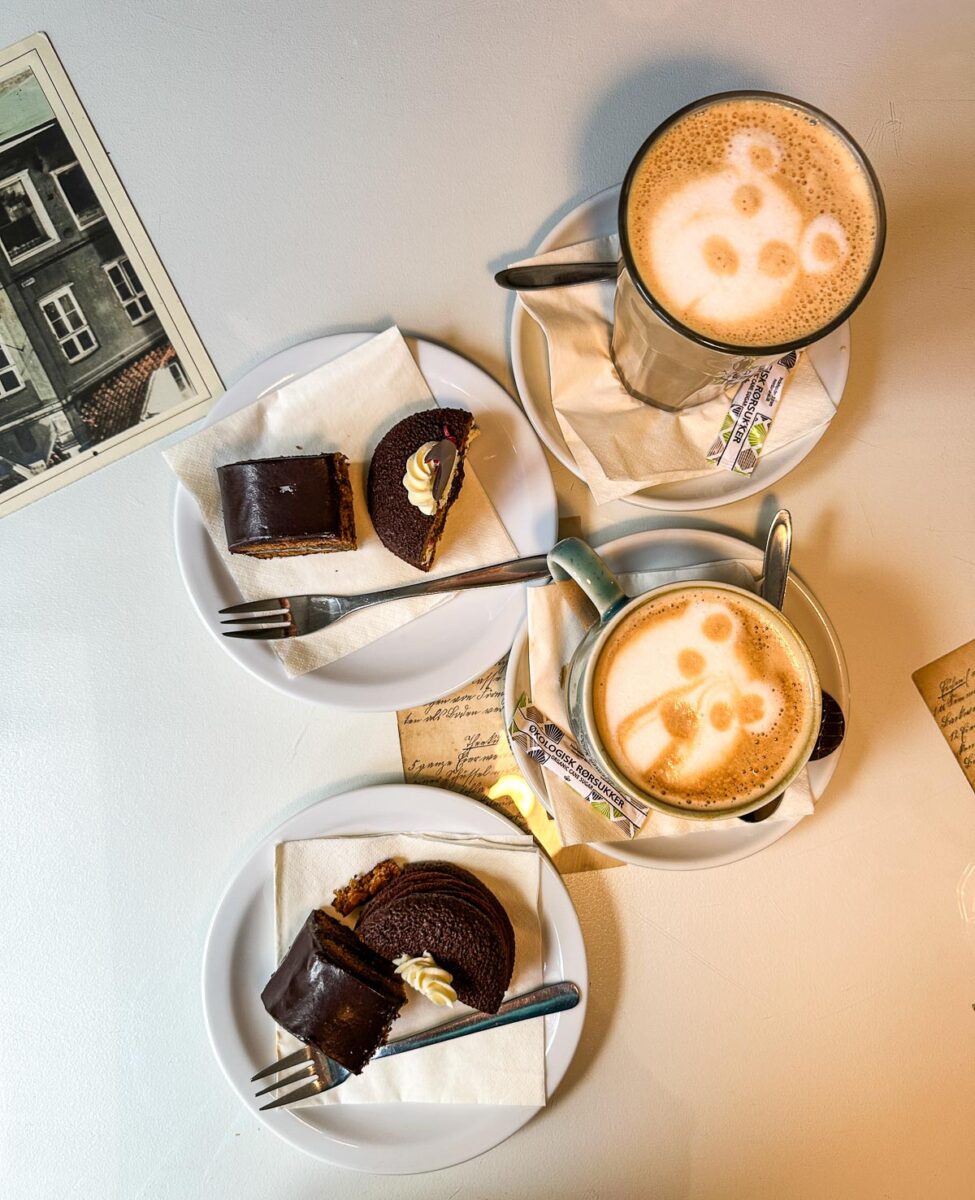
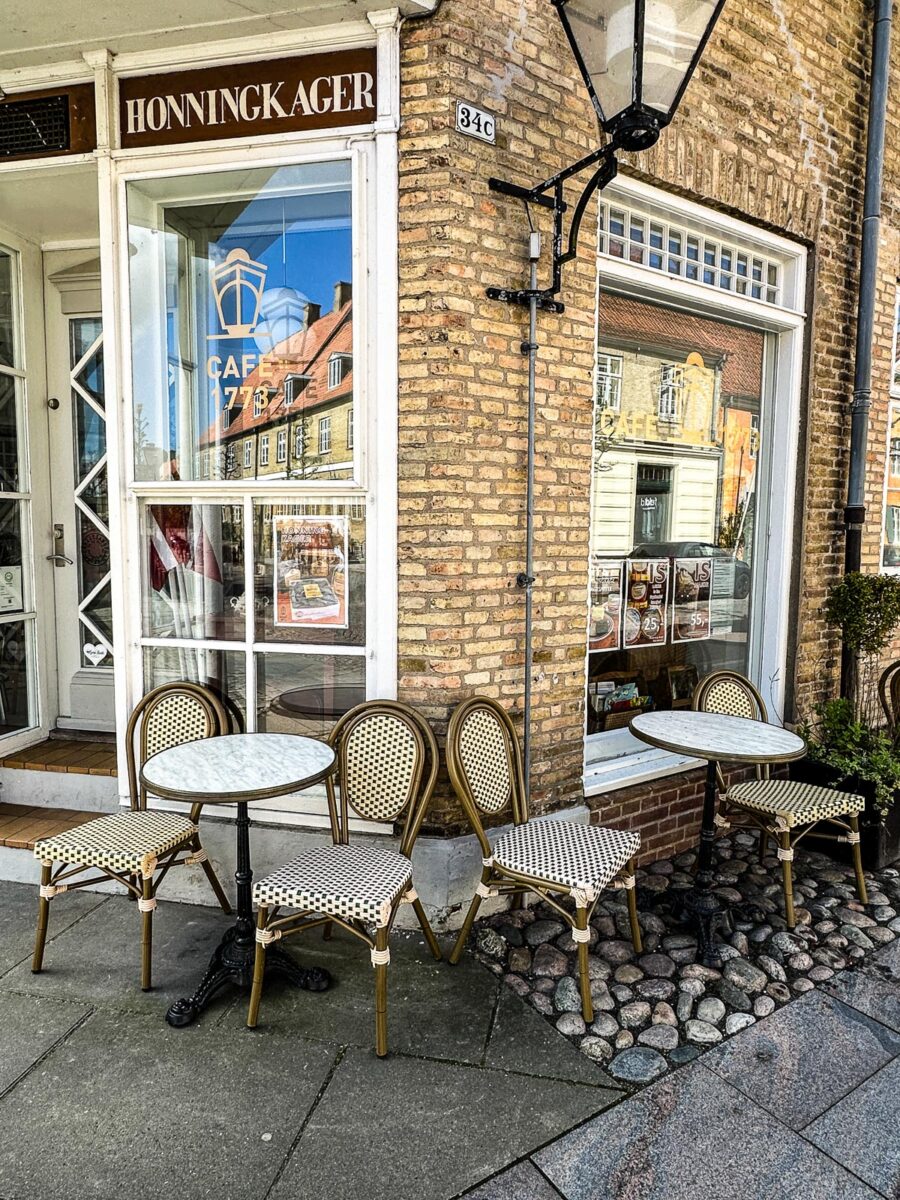
Our next stop was Christiansfeld, famous for its honey cakes—a traditional Danish gingerbread that’s sold in countless varieties.
They’re perfect with a cup of coffee and make a delicious stop during your road trip.
The town itself is a UNESCO World Heritage Site and still has its original Moravian atmosphere, making it well worth a visit.
Vejle: Where Nature Meets the City
Next, we headed to Vejle, where we stayed at the municipal campground within walking distance of downtown.
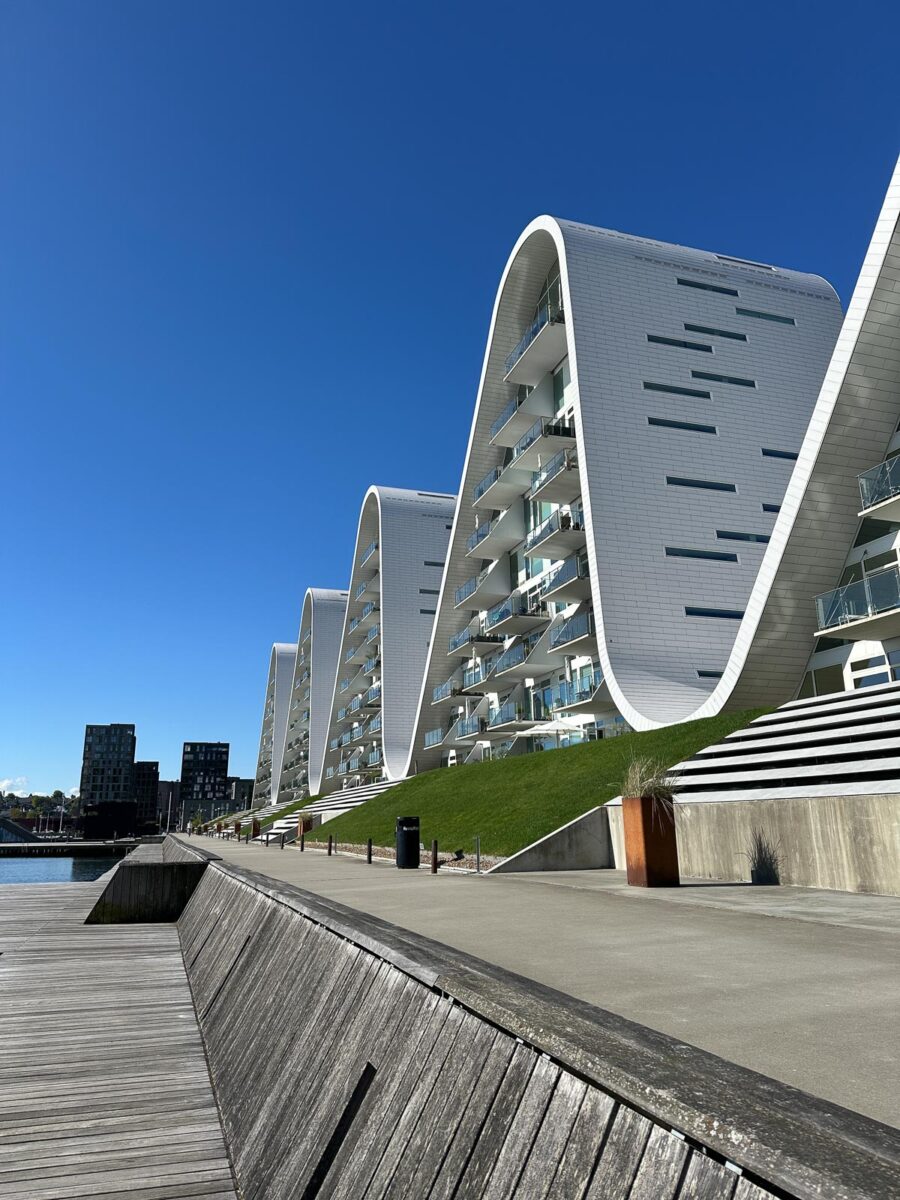
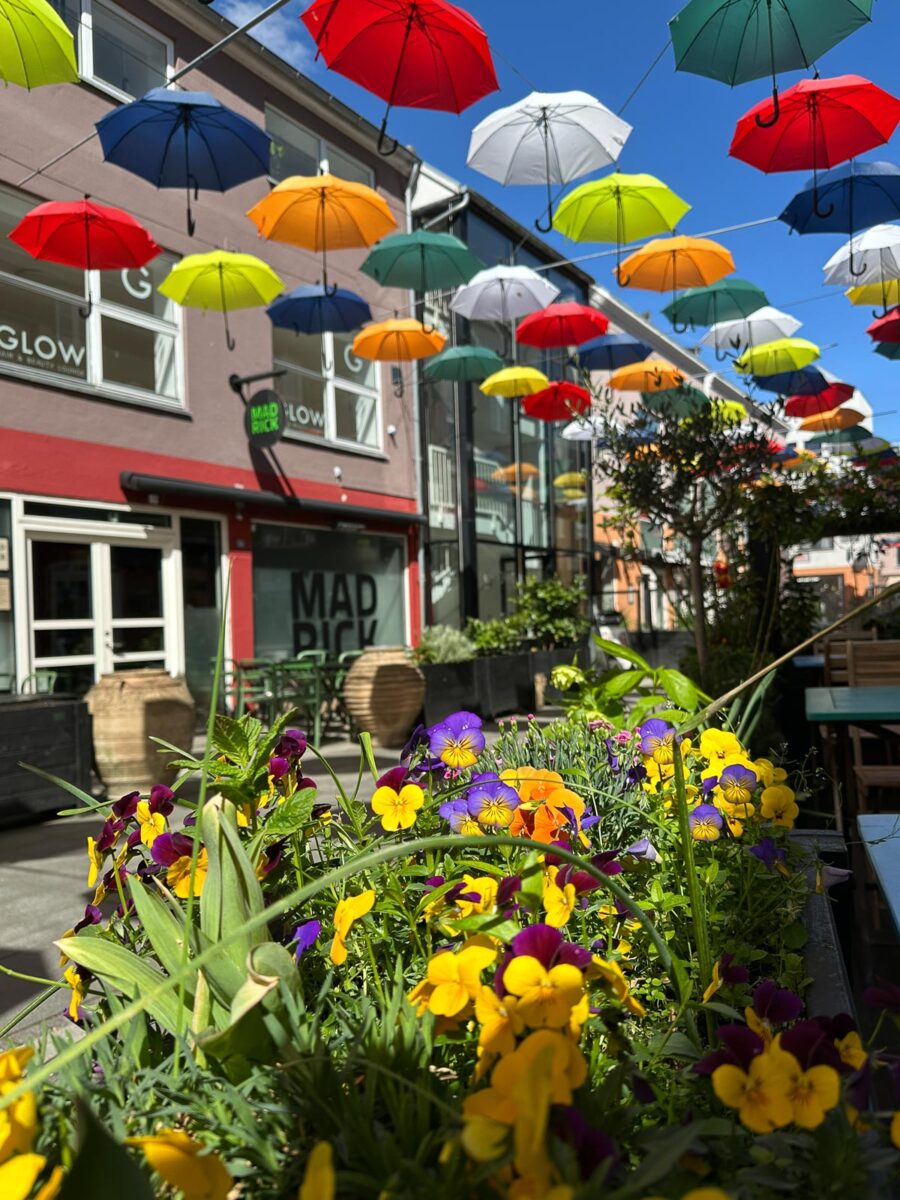
Vejle combines modern architecture with cozy city vibes. Be sure to check out The Wave, a striking apartment complex designed to resemble ocean waves, before wandering through the charming shopping streets.
By the Sea in Aarhus
From there we drove to Aarhus and stayed at Blommehaven Campground, located right on the waterfront.
Waking up with views of the sea was pretty special.
While you’re in Aarhus, don’t miss Aarhus Street Food, an indoor food hall packed with vendors serving dishes from all over the world.
Art lovers should definitely visit the ARoS Art Museum – although I have to admit we never quite understood the exhibit featuring women grating onions. The museum focuses heavily on contemporary art and, honestly, most of it wasn’t really our thing. But art is always a matter of personal taste.
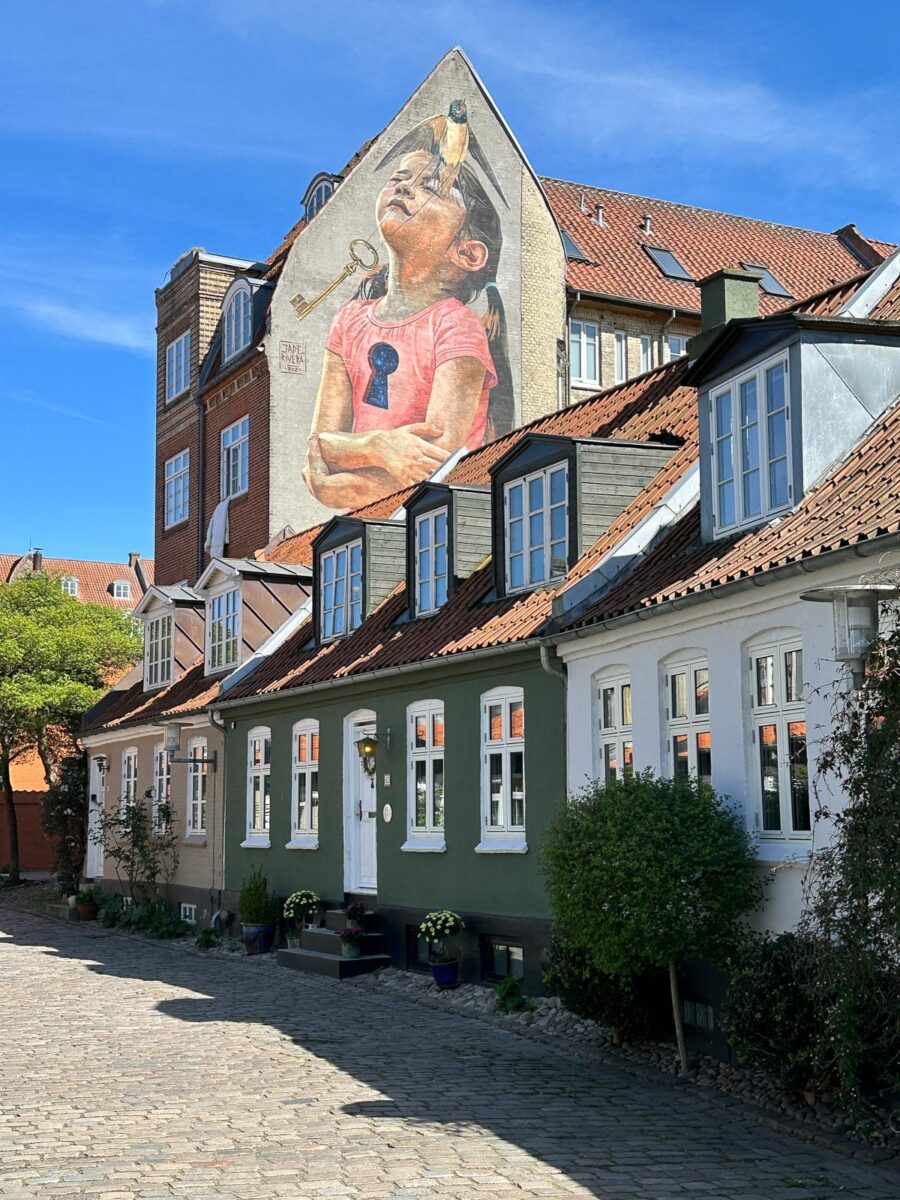
One thing you absolutely shouldn’t skip is the Rainbow Panorama on the rooftop. Walking through the colorful circular walkway while overlooking the city is pure magic.
If you’re looking for even more foodie recommendations in Aarhus, be sure to check out Alex’s guide to spending a weekend in the city.

Bonus Tip
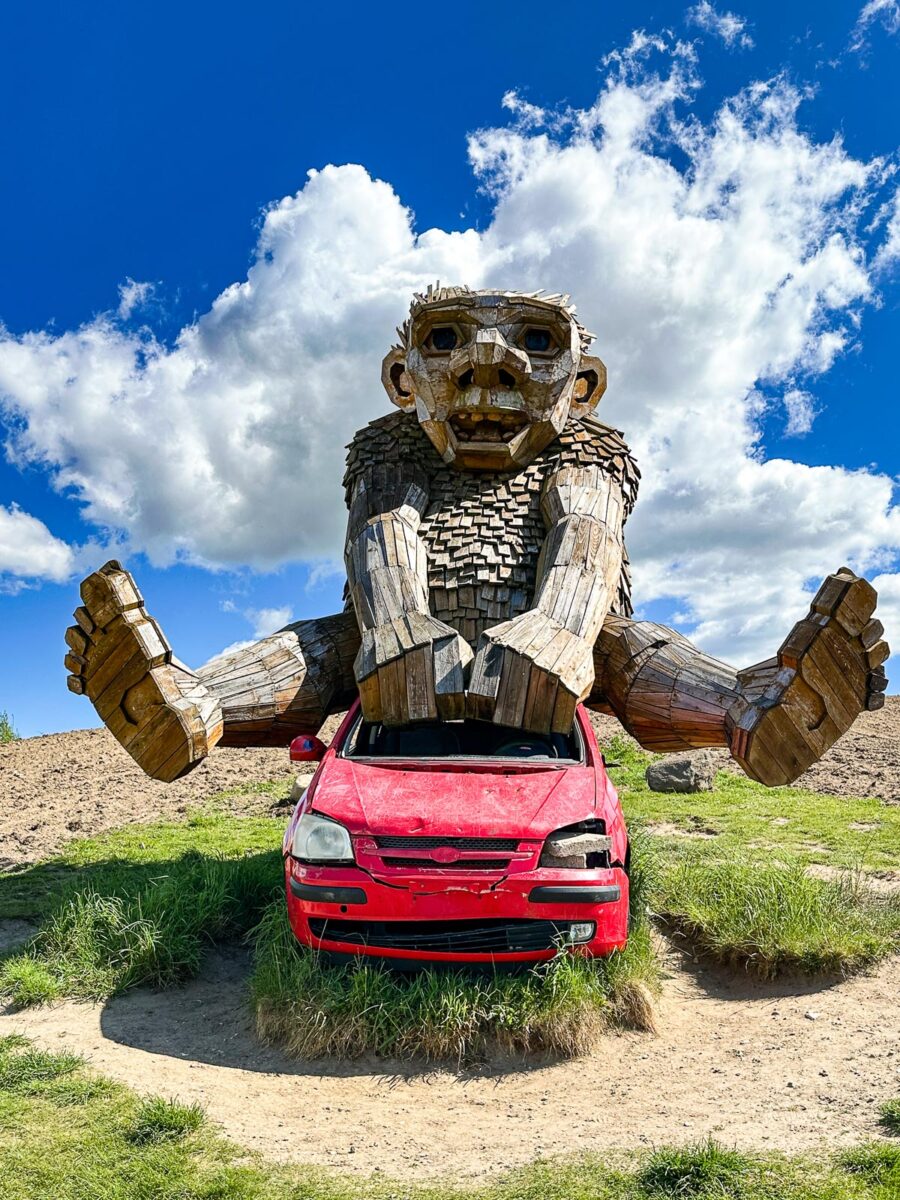
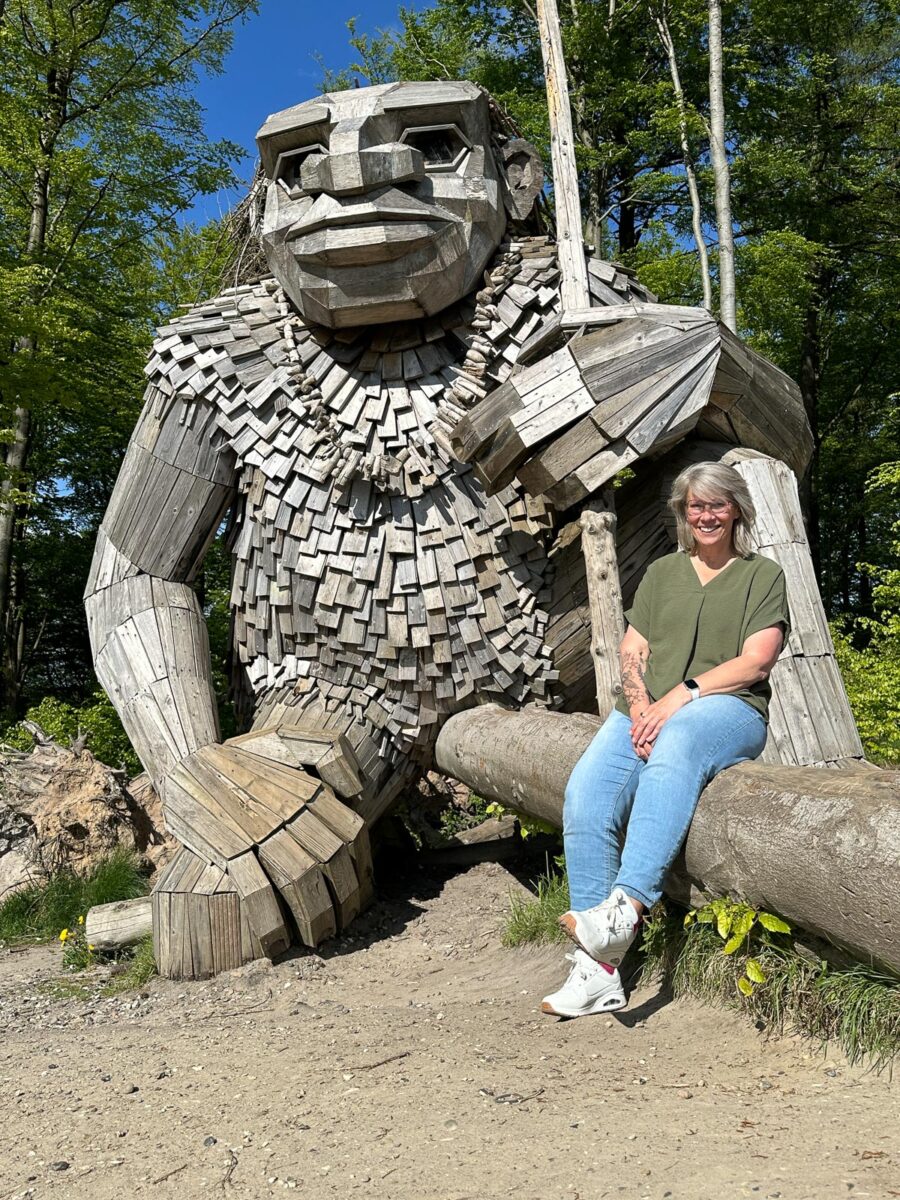
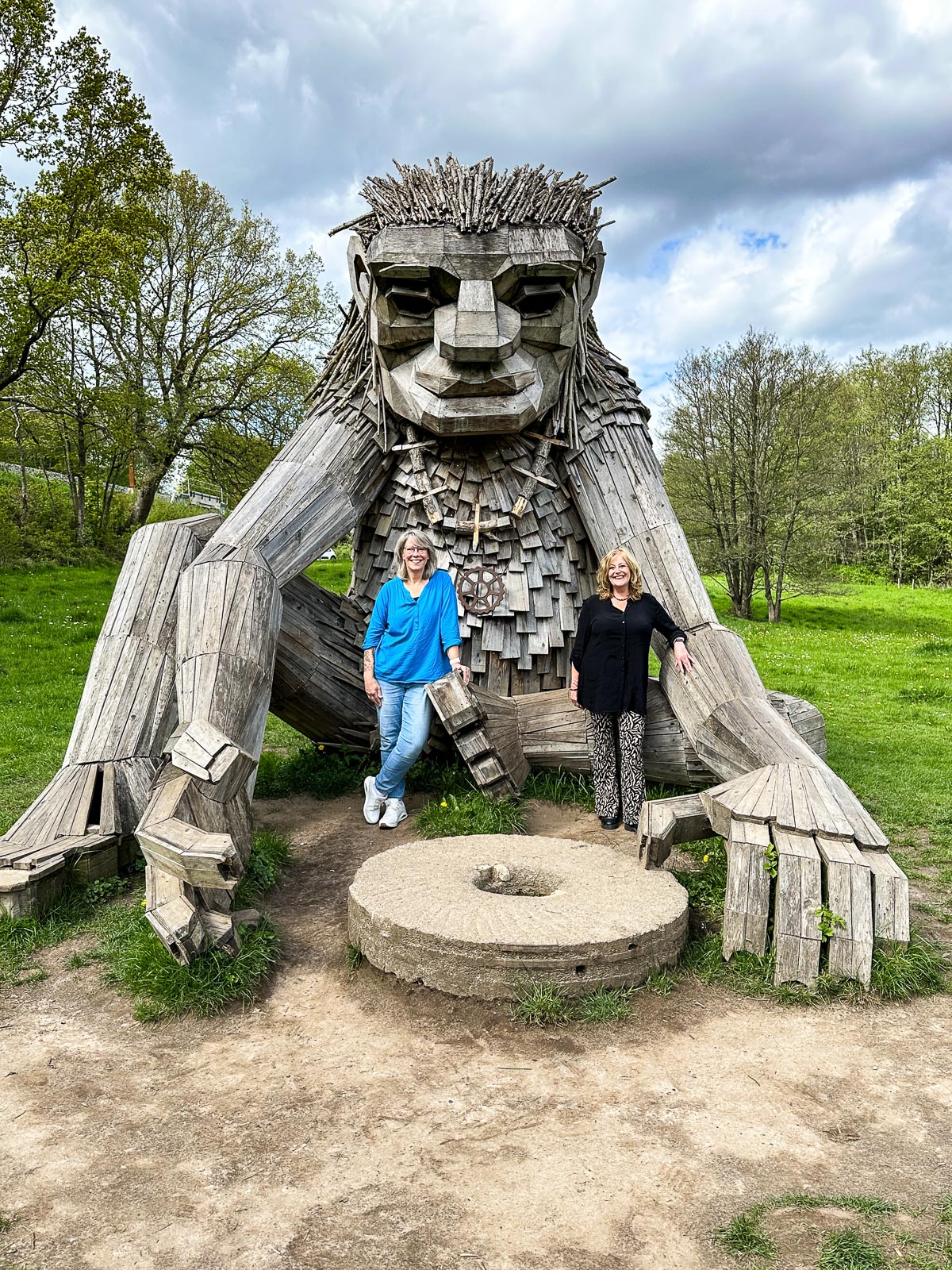
On your way to Aarhus, keep an eye out for the giant wooden trolls created by artist Thomas Dambo.
They’re hidden throughout the countryside, and searching for them makes a fun road trip activity. Some are easy to find, while others require a bit of exploring, but that’s part of the adventure.
Silkeborg: Lakes and Forests
Silkeborg is often called the capital of Denmark’s lake district.
It’s the perfect place to go hiking, rent a boat, or climb the tower at Himmelbjerget for beautiful views over the surrounding lakes.
If you’re craving a little nature, this is the place to be.

Kerteminde: Sleeping by the Harbor
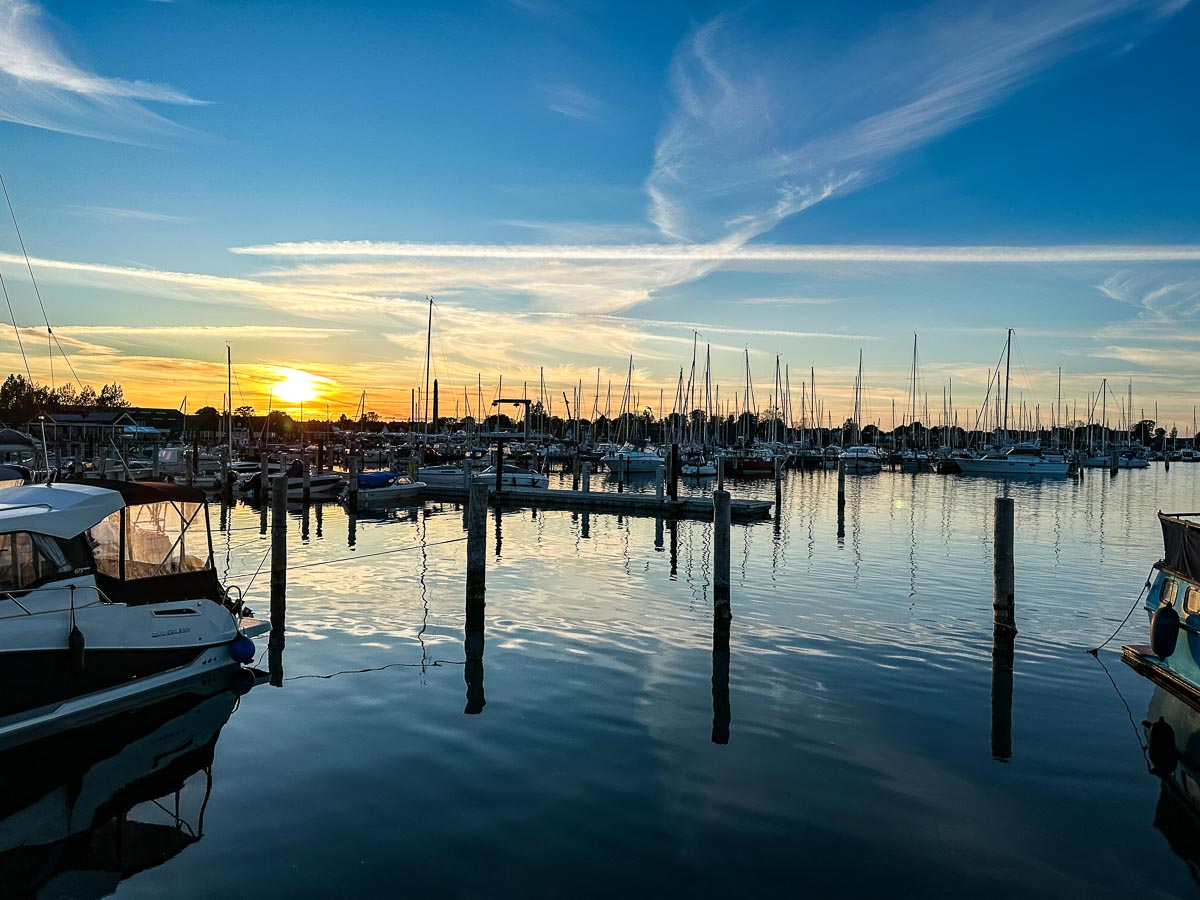
Our next destination was Kerteminde, where we spent several nights at a camper stop right on the harbor.
It’s basically a parking area with good facilities and amazing views of the boats.
We also had a fantastic meal at Lulu’s Café, highly recommended!
Kerteminde itself is a wonderful little town filled with narrow streets, independent shops, and plenty of great places to eat.
Odense: A Fairytale City
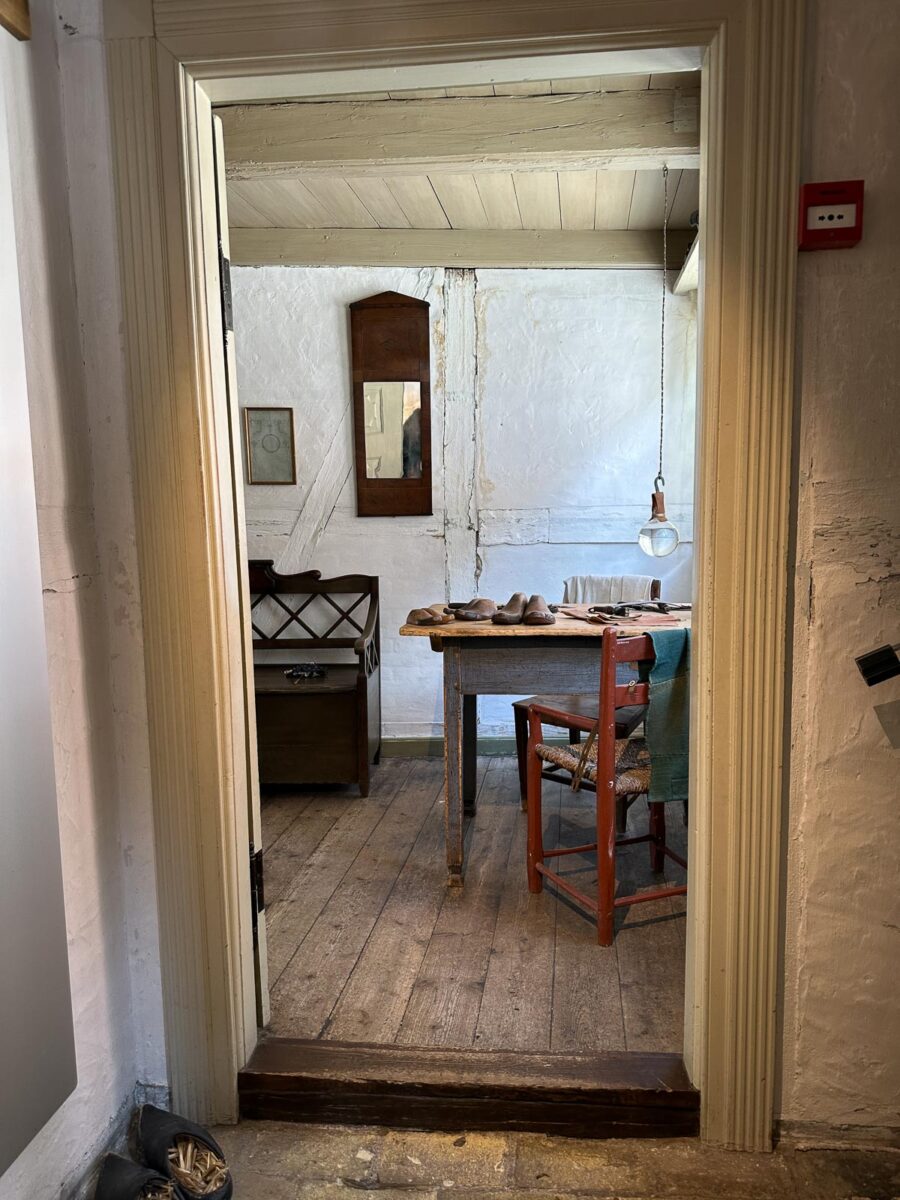
From Kerteminde it’s only a short drive to Odense, the hometown of Hans Christian Andersen.
The museum dedicated to his life and work is beautifully designed and definitely worth visiting, especially if you love classic fairy tales.


Faaborg and Fredericia
Faaborg is full of colorful houses, narrow cobblestone streets, and a charming harbor that’s perfect for an afternoon stroll.
Fredericia couldn’t be more different. It’s an old fortress town surrounded by impressive ramparts that you can actually walk along.
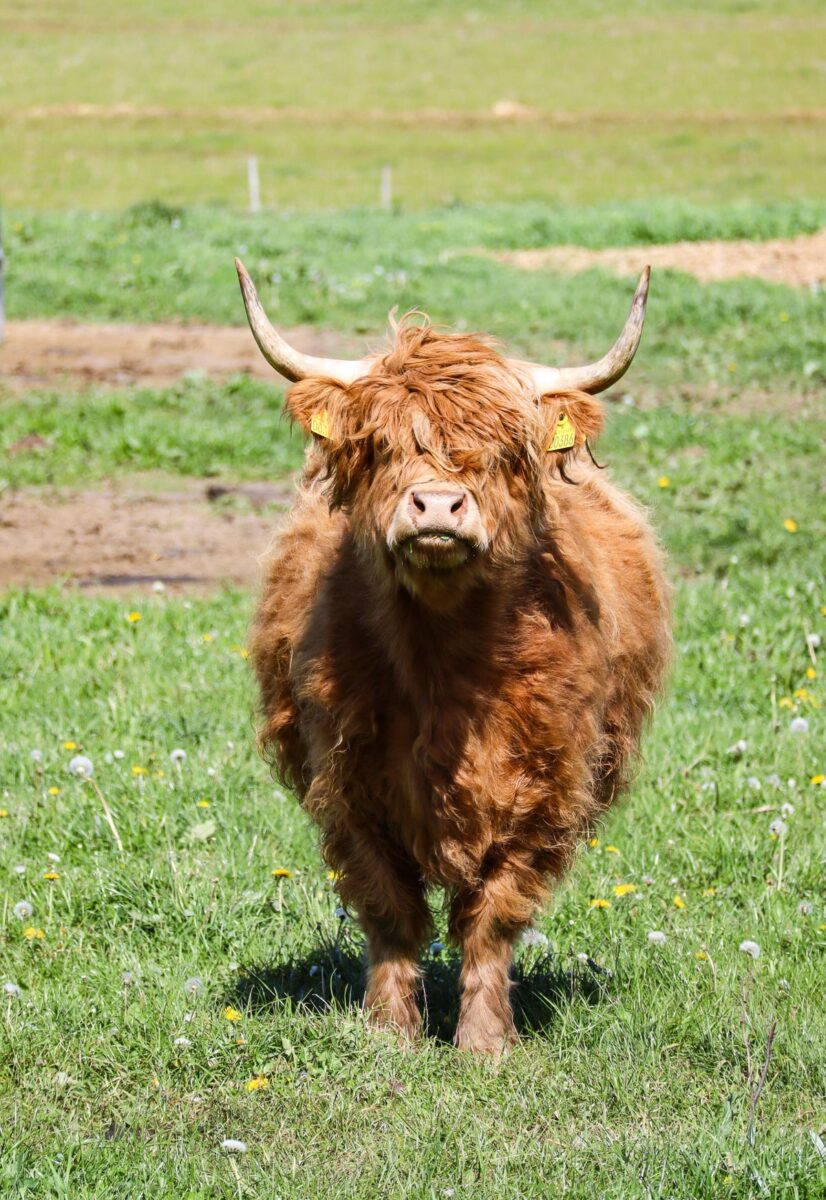
On the drive from Kerteminde to Faaborg, we first stopped at Sybergland, a small nature reserve with beautiful hiking trails—and, if you’re lucky, you’ll run into some of our favorite four-legged friends.
From Sybergland it’s about a 40-minute drive to Egeskov Castle, one of Denmark’s famous “Living Castles,” meaning it’s still inhabited today.
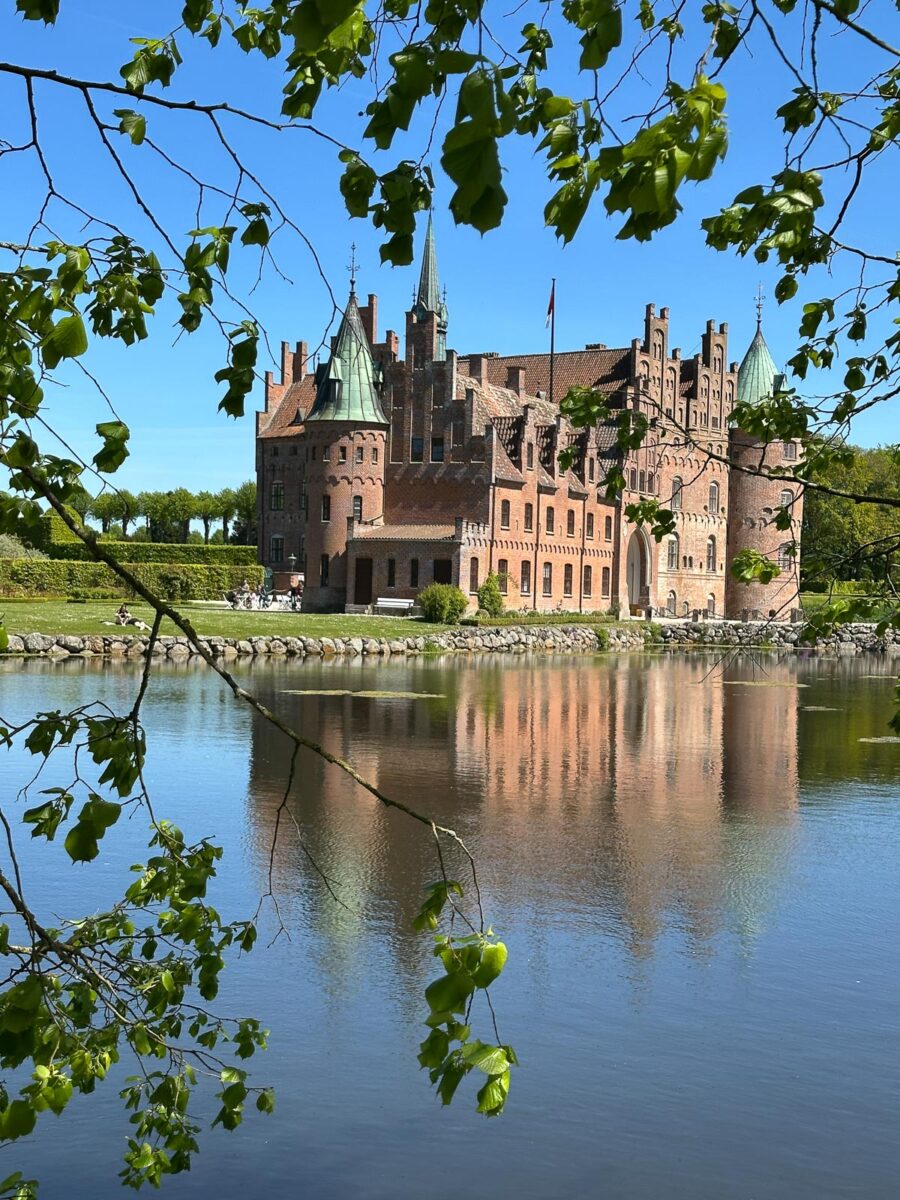
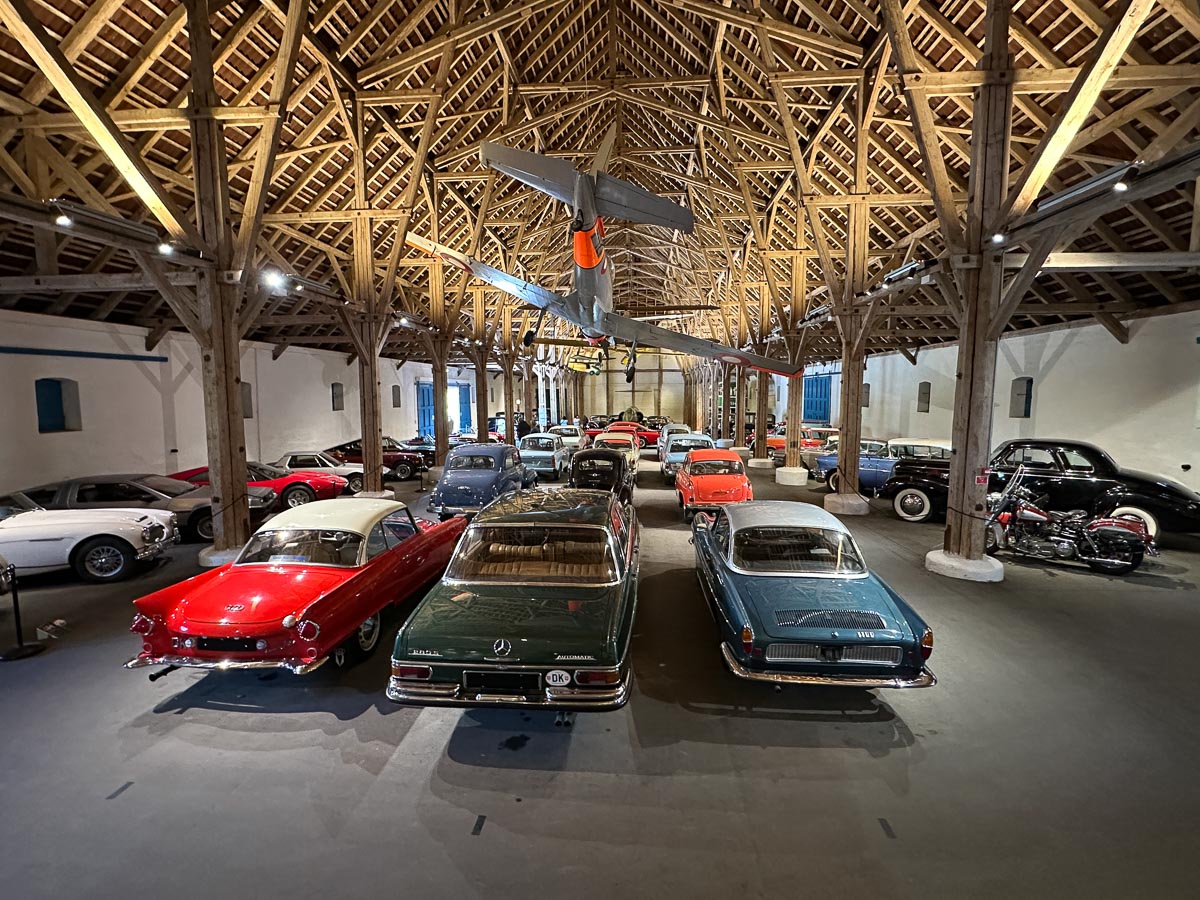
The castle itself is beautiful, but what really surprised us was the enormous collection of classic cars housed on the grounds.
There are entire buildings filled with vintage cars worth an incredible amount of money. And it’s not just cars – you’ll also find airplanes, motorcycles, horse-drawn carriages, and much more.
It’s honestly one of the most impressive collections we’ve ever seen.
Arosund: Back at the Harbor
In Arosund we once again stayed at a camper stop by the harbor.
Simple, peaceful, and overlooking the water – exactly what we needed.
By this point we were well into our journey back home. We walked through the tiny village, but there isn’t much to see. The camper stop itself is basically a huge parking lot with only a handful of other campers, making it wonderfully quiet.
Back to Germany
Our final stop was Bad Zwischenahn, just across the German border.
We stayed at Campingplatz Lönskrug, which turned out to be our favorite – and surprisingly affordable -campground of the entire trip.
It was the perfect place to end an unforgettable road trip.
Practical Tips for Traveling Denmark by Camper
- Best time to visit: May and June are ideal. The weather is usually pleasant, and it’s much quieter than peak summer.
- Camper stops: Denmark has excellent camper facilities, ranging from simple parking areas to fully equipped campgrounds.
- Bring bicycles: Highly recommended, especially if you’re visiting cities. We didn’t bring ours, which meant we often chose camper stops closer to downtown so we could simply walk into town.
- Food to try: Don’t leave Denmark without tasting the choco kisses in Tønder, the traditional honey cakes in Christiansfeld, and the street food in Aarhus.
FAQ: Driving a Camper Through Denmark
No. Wild camping with a camper or motorhome is not allowed in public forests, on beaches, along roads, or in other public natural areas. Fines can range from around €5 to €500.
Some forests do allow overnight camping in a tent, but campers and motorhomes are not permitted.
Yes.
Denmark offers several great alternatives:
Primitive campsites: Simple camping areas, sometimes with shelters, drinking water, and toilets. They’re often free or require only a small fee.
Free tenting zones: Designated areas in state forests where you may camp in a tent for one night (maximum two tents). Campers and motorhomes are not allowed.
On average, expect to pay around €33/$37 per night for a campground.
Three-star campgrounds typically charge around 95 DKK per adult per night, plus an additional 20–30 DKK for electricity.
Generally, yes.
Camper stops usually cost between 150 DKK (€20/$23) and 250 DKK (€33)/$37 per night, often including electricity.
Book early if you’re traveling during the summer.
Pack for all kinds of weather: a rain jacket, warm layers, sturdy shoes, sunscreen, and bug spray are all useful.
Coastal campgrounds are a great choice—you’ll often wake up with beautiful sea views and be within walking distance of the beach.
Not really.
Denmark is one of the more expensive countries to travel through by camper, especially when it comes to food and campground prices. That said, the excellent infrastructure, beautiful scenery, and camper-friendly atmosphere made it well worth the cost.